The Mosaic Shield: 5 Surprising Lessons from Iran’s Evolutionary Warfare (1980–2026)
As we survey the geopolitical wreckage following the 2025 “Twelve-Day War” and the grinding attrition of 2026, a strategic anomaly has emerged. A nation that has endured four decades of near-total international isolation has not only survived but has systematically challenged the military hegemony of established superpowers. The core question for defense analysts is no longer if a sanctioned state can resist a high-tech adversary, but how Iran avoided the total “decapitation” that modernized precision-guided doctrines were designed to deliver.
The answer lies in a metamorphosis from the static trenches of the 1980s to a decentralized “Mosaic” defense—a doctrine that has redefined the survival of medium-sized powers in the age of precision warfare
https://www.youtube.com/watch?v=Qi9pcapciDo
1. The “Mosaic Doctrine”: Strategic Survival Through Fragmentation
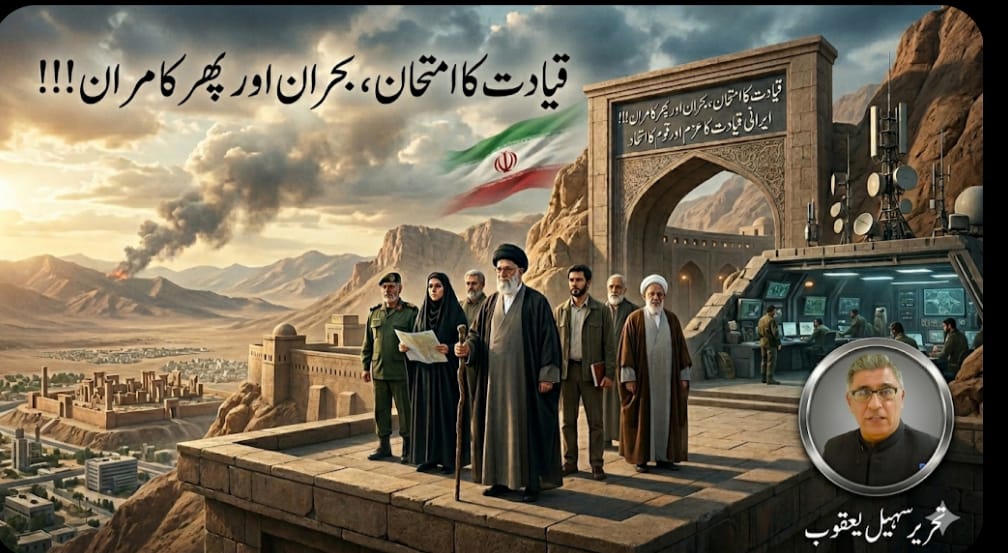
The most critical evolution in Iranian defense was the realization that centrality is a terminal liability. Following the 2003 collapse of the Iraqi military—where the fall of Baghdad effectively neutralized the state—General Mohammad Ali Jafari implemented the “Mosaic Doctrine.”
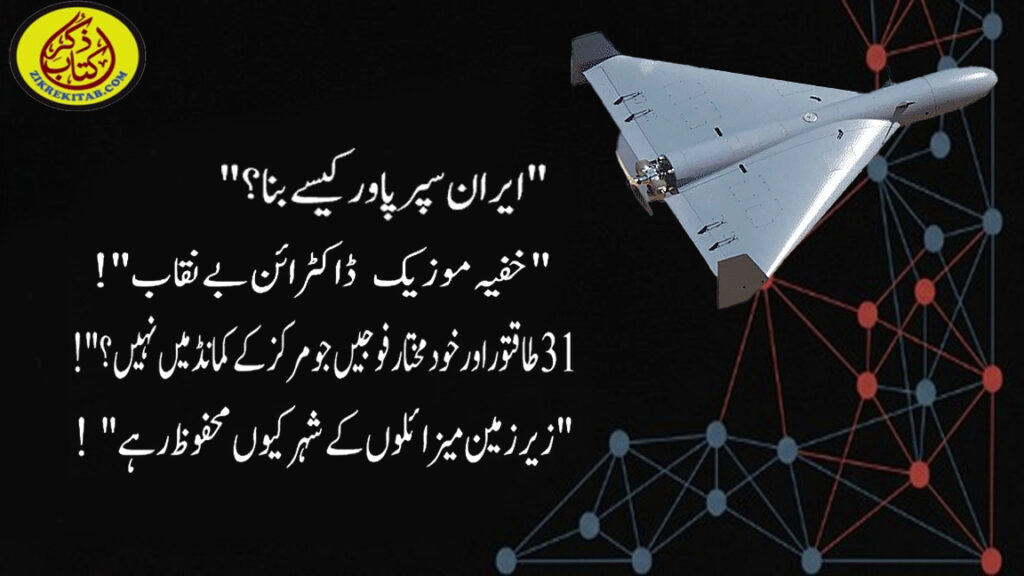
This strategy partitioned Iran into 31 independent operational zones, each coinciding with a province. Each zone is designed to function as a self-sustaining “center of resistance” with its own command-and-control hierarchy, logistics, and localized authority.
“If the head is decapitated, the body becomes lifeless”—this was the vulnerability Iran sought to eliminate by creating a military body with 31 independent hearts.
The “connective tissue” of this system is the Basij, a volunteer paramilitary force integrated into the civilian fabric. By decentralizing authority, Iran ensures that even if Tehran’s central command is silenced by a first-look strike, provincial commanders retain the autonomy to wage a localized war of attrition. For an invader, there is no “single point of failure” to exploit; victory would require the simultaneous defeat of 31 separate, self-reliant military entities.
2. The Three-Phase Evolution: The 183,623 Threshold
Iran’s military posture is not a static ideology but a reactive evolution born from catastrophic trauma. We can categorize this history into three distinct tactical epochs:
Direct War (1980–1988): The Iran-Iraq War remains the foundational trauma of the state. The “bloody stalemate” resulted in 183,623 Iranian military deaths and over 550,000 injuries. This staggering human and economic toll ended the era of “Direct War” for forty years, convincing leadership that conflict must never again be permitted on Iranian soil.
Proxy Warfare (1989–2024): To protect the mainland, the IRGC exported its security perimeter, utilizing allies in Lebanon, Yemen, and Iraq to create strategic depth.
Limited Direct Confrontation (2024–2026): By the mid-2020s, the shield of proxy warfare began to crack, leading to the direct missile exchanges with Israel. This phase represents a “precarious balance” where the IRGC maintains its proxy networks while engaging in high-stakes direct kinetic strikes.
3. The Syrian “Strategic Defeat” vs. the Yemen Success
A rigorous assessment of Iran’s 21st-century proxy involvements reveals a stark contrast in ROI (Return on Investment).
In Syria, Iran’s decade-long effort (2012–2024) to preserve the Assad regime resulted in a total Strategic Defeat. Despite an expenditure of $30–50 billion and the loss of 2,300+ IRGC personnel alongside 10,600+ deaths among allied militias (Afghan, Iraqi, and Pakistani), the Assad government collapsed in December 2024. This failure necessitated a “Return of Forces” that served as the primary catalyst for the direct confrontations of 2025; as the Syrian buffer vanished, Tehran was forced to pivot toward direct deterrence.
Conversely, Yemen represents a masterpiece of asymmetric efficiency. Since 2015, Iran has empowered the Houthi (Ansar Allah) movement with drones and missiles at a fraction of the cost of the Syrian theater. With zero recorded Iranian combat deaths and minimal financial overhead, the Houthis have remained a potent, resilient force, proving that the proxy model only succeeds when it avoids the “sunk cost” of direct IRGC troop deployments.
4. Technical Supremacy: The Solid-Fuel Revolution and “MaRVs”
The 2025 “Twelve-Day War” highlighted a massive technical shift: the transition from liquid-propellant to solid-fuel systems. This shift is not merely incremental; it is transformative for launch survivability. Solid-fuel missiles like the Fattah-1, Kheibar Shekan, and the Haj Qasem (named for the late Quds Force commander) offer reduced launch signatures and rapid-response times, allowing batteries to fire and relocate before counter-battery strikes can land.
Key technical milestones identified in the 2026 theater include:
Terminal Guidance and MaRVs: Modern Iranian assets now utilize Maneuverable Re-entry Vehicles (MaRVs). The Sejjil—often termed the “Dancing Missile”—and the Fattah series use these to alter flight paths during the terminal phase, specifically designed to bypass the Iron Dome and Arrow defense systems.
Strategic Depth: Despite regional pressure, Iran has maintained a self-imposed 2,000km range limit, a detail confirmed by Foreign Minister Abbas Araghchi in February 2026 to manage European diplomatic escalation.
Production Resiliency: Before the 2025 conflict, production peaked at 300 missiles per month. Following the 2026 strikes on carbon fiber factories and manufacturing sites, analysts estimate a decline to 40 missiles per month.
While Israeli intelligence suggests 75% of Iranian launchers were destroyed by early 2026, the IRGC’s “Mosaic” infrastructure allows them to maintain the claim that their industry is “fully functional,” housing the remaining 1,500 missiles and 200 launchers in “underground missile cities” located in provinces like Tabriz and Khorramabad.
5. The Shattering of “Defensive Absolute-ism”
The 2026 engagement shattered the myth of defensive absolute-ism. While advanced bunkers kept Israeli civilian casualties low, the conflict effectively broke the “civilian defense social contract.”
The psychological victory in asymmetric warfare does not require the total destruction of the enemy’s military; it requires proving that the enemy’s “invincible” shields are a fallacy. For over a month, populations remained confined to bunkers, only to emerge to the sight of infrastructure in ruins. By penetrating high-tech defenses with “hypersonic” MaRVs, Iran demonstrated that no amount of technology can provide 100% security against a determined, decentralized adversary.
Conclusion: The Uncertain Balance
As of mid-2026, the Middle East exists in a state of hybrid tension. The “Return of Forces” from Syria and the degraded production capacity (from 300 to 40 missiles monthly) have weakened Iran’s conventional reach, yet the Mosaic Shield remains un-breached.
The lesson of 2026 is provocative: in an era defined by precision-guided superpower dominance, a decentralized, “headless” defense may be the only viable survival strategy for a medium-sized power. The real strength of a nation may no longer be measured by the sophistication of its central command, but by how effectively it can distribute its sovereignty so that it can never be truly found.
“Unity and sovereignty are the only true shields that can turn the direction of any storm.”
میں نے زندگی کے چار عشرے قانون، اسلامی بینکاری اور کارپوریٹ گورننس کے شعبوں کی خدمات میں گزارے ۔ جامعہ کراچی سے ایل ایل ایم کے بعد، مجھے میزان بینک کے بانی کمپنی سیکرٹری اور پاکستان کویت انویسٹمنٹ کمپنی سمیت کئی معتبر اداروں میں کلیدی خدمات کی سعادت ملی۔ پیشہ ورانہ سفر کے دوران کئی بڑی کمپنیوں اور مالیاتی اداروں کے بورڈ پر ڈائریکٹر کے فرائض انجام دیئے اور ٹرینر کی حیثیت سے نوجوانوں کی فکری آبیاری کی کوشش کرتا رہا ہوں ۔ ریٹائرمنٹ کے بعد، اب میں نے خود کو کتابوں اور علم کے فروغ کے لیے وقف کر دیا ہے۔ آج کے ڈیجیٹل دور میں، میں مصنوعی ذہانت (AI) کے ذریعے نئی نسل تک اخلاقی اور بامقصد پیغام پہنچانے کی عاجزانہ کوشش کر رہا ہوں۔ میری زندگی کا اب ایک ہی مقصد ہے: سیکھنا، سکھانا اور اپنے تجربات کو دوسروں کے لیے مشعلِ راہ بنانا۔